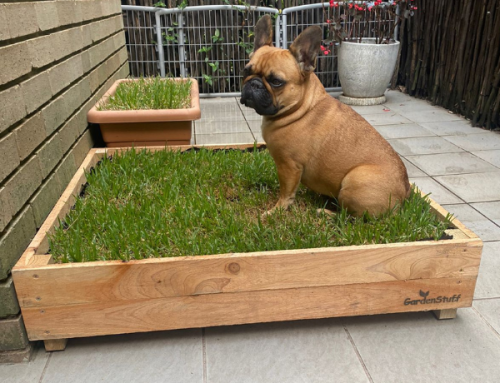
Starting a new vegetable garden brings great excitement. However, filling a new planter incorrectly can lead to poor drainage and weak crop yields. At our Thornton workshop, Jenya and I often field questions from clients across Gauteng and the greater Cape Town area about the best way to start planting. With years of traditional joinery experience crafting solid pine containers, we know exactly what works best for the timber and your plants. This guide will show you how to prepare a wooden planter box using correct soil layering for a thriving organic harvest.
1. Why 100% Organic Untreated Timber Matters
Growing food safely requires clean materials. We manufacture our planter boxes using 100% organic untreated timber. This ensures zero harmful chemicals leach into your root systems or soil. Natural wood breathes beautifully. This prevents root rot and regulates soil temperature during hot South African summers.
2. Positioning Your Bottomless Bed on Soil
Location dictates your gardening success. If you purchased a bottomless raised bed, you must install it directly on native soil. Placing it on hard surfaces like paving, concrete, or a wooden deck prevents natural drainage and stops earthworms from migrating upward. Direct soil contact allows the local ecosystem to integrate seamlessly with your new container.
3. Creating the Perfect Foundation Layer
Proper drainage starts at the very bottom. Avoid plastic liners or drainage stones completely.
-
The Cardboard Base: Lay down unwaxed brown cardboard directly over the grass or soil inside your planter. This smothers weeds while slowly decomposing, attracting beneficial earthworms.
-
The Bulk Layer: Add a layer of dry leaves, small twigs, and untreated wood shavings. This organic matter breaks down over time, feeding your plants from the bottom up.
4. Adding Nutrients and Topsoil
Your vegetables need rich fuel to produce a strong yield.
-
Compost: If you are not using our Organic Power Growth Soil Mix, add a 10 cm layer of high-quality organic compost.
-
Potting Mix: Fill the remaining space with well-draining organic container potting soil. Leave a 2 cm gap at the top edge to prevent water runoff when irrigating.
Preparing your new wooden container correctly takes a little effort upfront but guarantees a robust growing season. Natural timber and healthy soil layering create the perfect environment for organic vegetables to thrive. Browse our latest range of handcrafted solid pine planters online. We offer factory pickup or convenient courier dispatch, including free shipping to major South African metropolitan areas.
Pro Tip: The South African sun bakes exposed soil rapidly. Spread a thick layer of organic mulch or dried grass clippings over your topsoil to retain moisture and keep roots cool during intense January heatwaves.