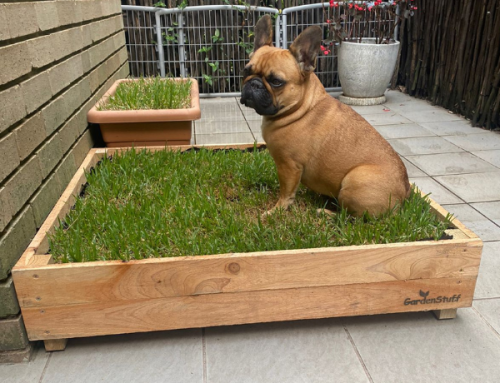
It is a common question from clients buying our freestanding wooden planters. You want to protect the wooden floor and sides from wet soil, making a plastic liner seem like a logical addition. However, wrapping the inside of a solid pine container does more harm than good.
In our workshop, we see how plastic liners accelerate rot and ruin drainage. Let us look at why leaving your 100% organic untreated timber unlined is the smartest choice for your container garden.
What You Will Learn:
-
Real-world proof of unlined timber longevity
-
Why plastic liners destroy wooden floors
-
How fine floor gaps improve soil drainage
-
Setting up your solid-floor planter correctly
Nine Years of Proof Outside Our Workshop
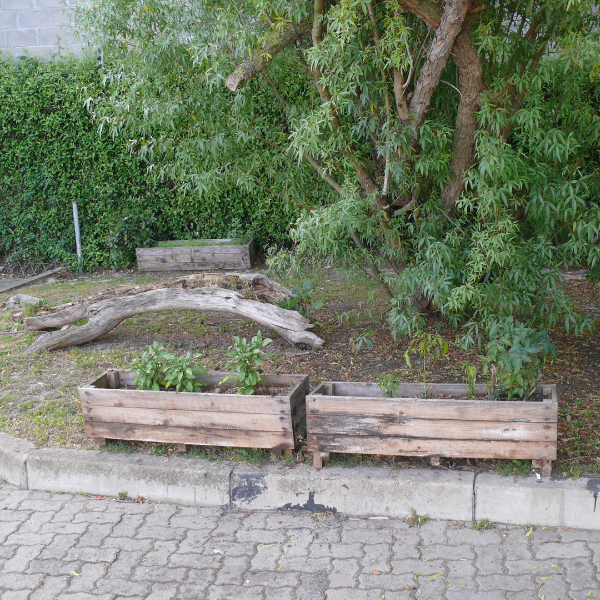
You do not need to take our word for timber longevity. Outside our business park workshop, there are three planter boxes we built about nine years ago. We abandoned them roughly two years ago, but staff from a neighbouring business took them over.
They now use these containers to grow a variety of small vegetables. Those planters are still structurally sound and doing their job perfectly. They have never been treated, lined, or sealed with anything.
The Hidden Moisture Trap
When you line a wooden planter box, condensation builds up between the plastic sheet and the wooden walls. This moisture has nowhere to escape, leaving the solid pine damp continuously. The floor of the planter suffers the most, as gravity pulls water down into this trapped space.
This trapped dampness promotes fungal growth and rapid wood rot. Unlined wood naturally absorbs and releases moisture into the surrounding air. By leaving the wood exposed to the soil, the entire container can dry out evenly between watering sessions.
Smart Drainage Design
A healthy container garden requires excellent soil drainage. Plastic liners block airflow and cause water to pool at the bottom, suffocating plant roots.
Our freestanding planters do not use large, clumsy drainage holes that can wash your potting mix away. Instead, we manufacture them with fine gaps between the floor planks. These narrow spaces allow excess water to drain effectively while keeping your soil securely inside the box.
Setting Up Your Wooden Floor Planter
To maximise the lifespan of your freestanding container, proper airflow is essential. Follow these steps when preparing your new planter:
-
Elevate the base: Ensure the planter feet sit on a firm, level surface so air can circulate underneath the wooden floor planks.
-
Avoid drainage stones: Do not place gravel at the bottom. This creates a perched water table that traps water near the roots.
-
Add quality soil: Fill the planter directly with a premium blend of compost and potting soil. Our specially blended Organic Power Growth Soil Mix, in combination with the Organic Container Potting Soil, is ideal for container gardening.
Whether you are growing herbs on a balcony in Gauteng or tomatoes in the greater Cape Town area, natural wood needs airflow. Our containers ship free to South African metropolitan areas and arrive ready for your soil.
Pro Tip: To check whether your container garden needs watering during the dry South African summer, push your finger into the soil to your second knuckle. If it feels dry at that depth, water the planter thoroughly until you see some moisture seeping out through the fine gaps between the floor planks.